
Meet The Turtles
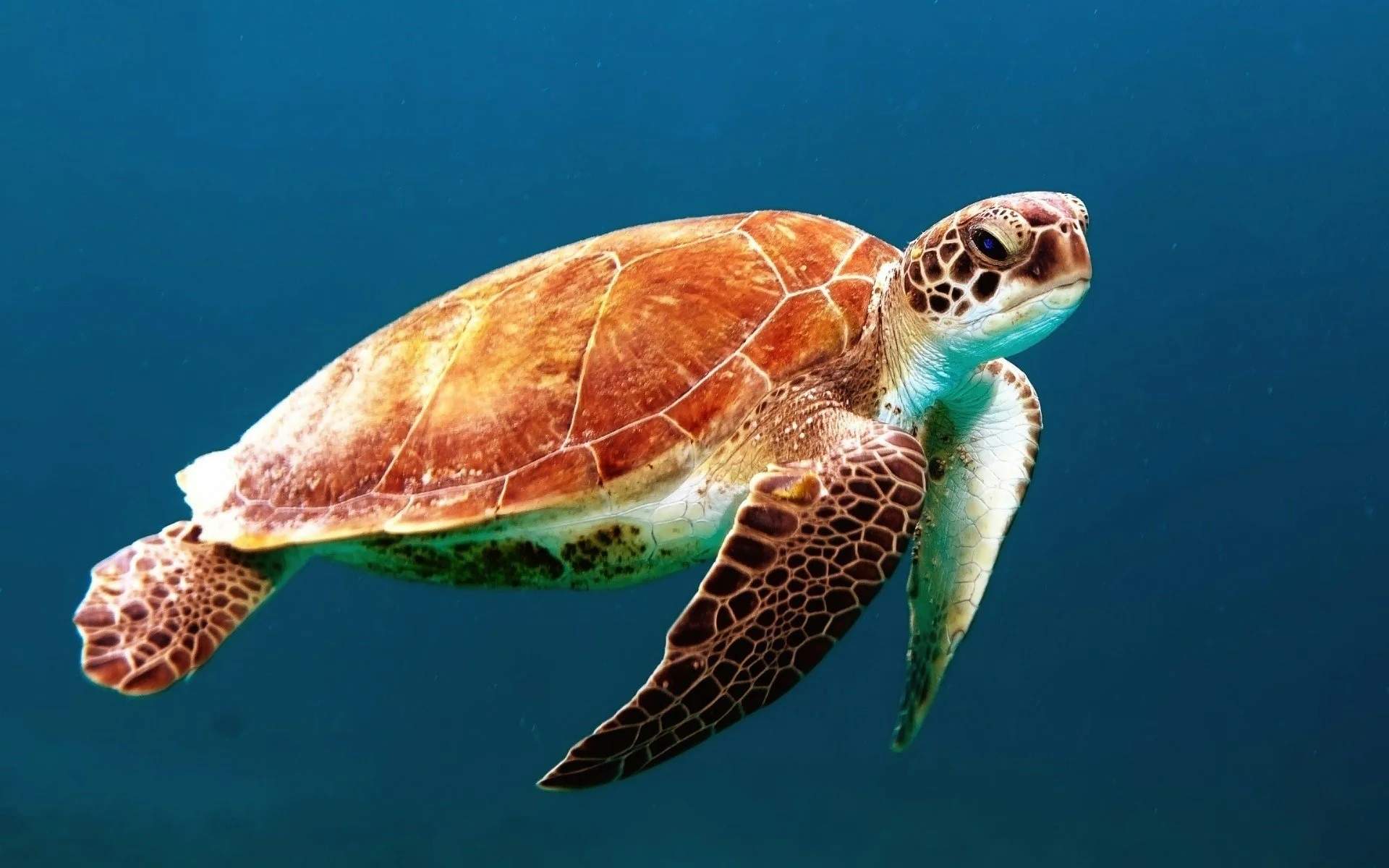
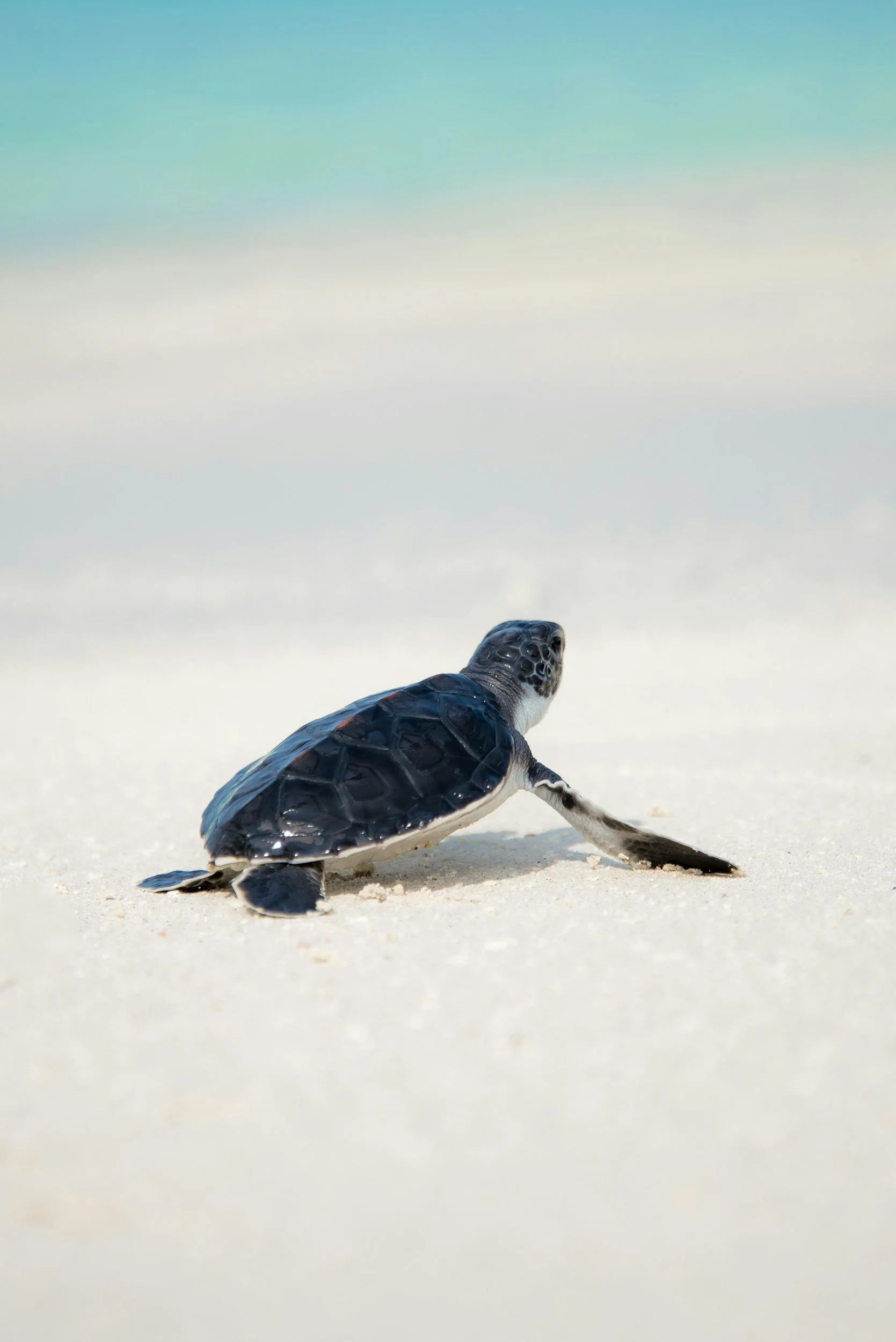
Sea turtles have been swimming in our oceans for over 100 million years — long before humans ever existed. They’re quiet travellers, crossing vast distances, nesting on sunlit shores, and helping to keep marine ecosystems in balance. But today, nearly all sea turtle species are at risk.
Plastic, poaching, climate change, and disappearing habitats are pushing these ancient creatures closer to extinction. Each one has its own story — its own fight for survival.
On this page, you’ll get to know them. The seven species of sea turtles still swimming in our oceans. The ones we’re working to protect.
-
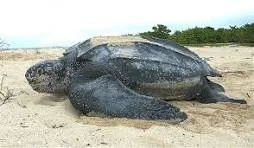
Hawksbill Turtle
Status: Critically Endangered
Facts:
Known for their beautiful, patterned shells
Help maintain healthy coral reefs by eating sponges
Nest mainly on small and isolated “pocket” beaches, with little or no sand and a rocky approach (NOAA Fisheries)
-
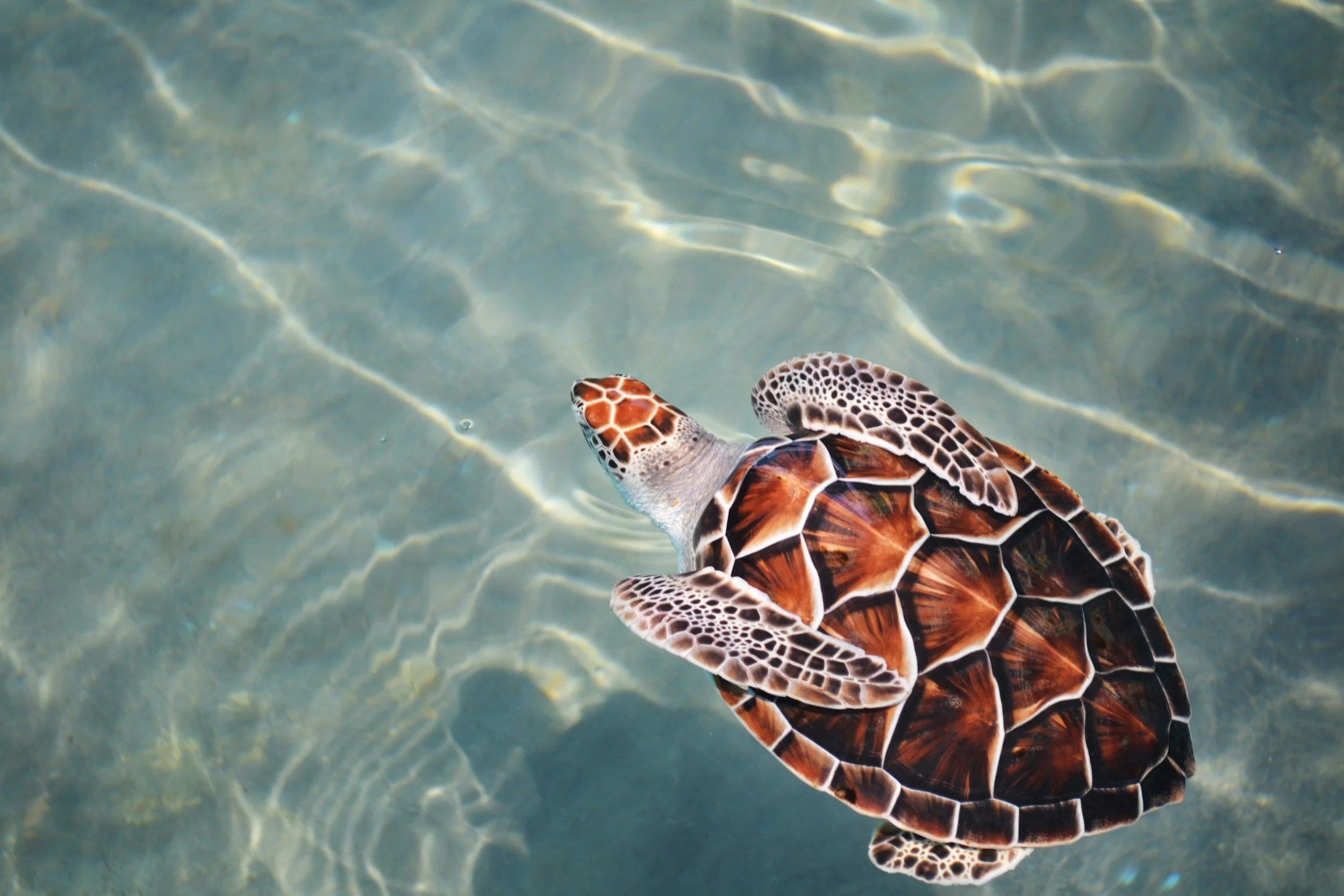
Leatherback Turtle
Status: Vulnerable (Critically Endangered in some regions)
Facts:
Largest sea turtle species — can grow over 2 meters
Only sea turtle without a hard shell and lacks scales
Can dive deeper than 1,000 meters and can stay down for up to 85 minutes
-
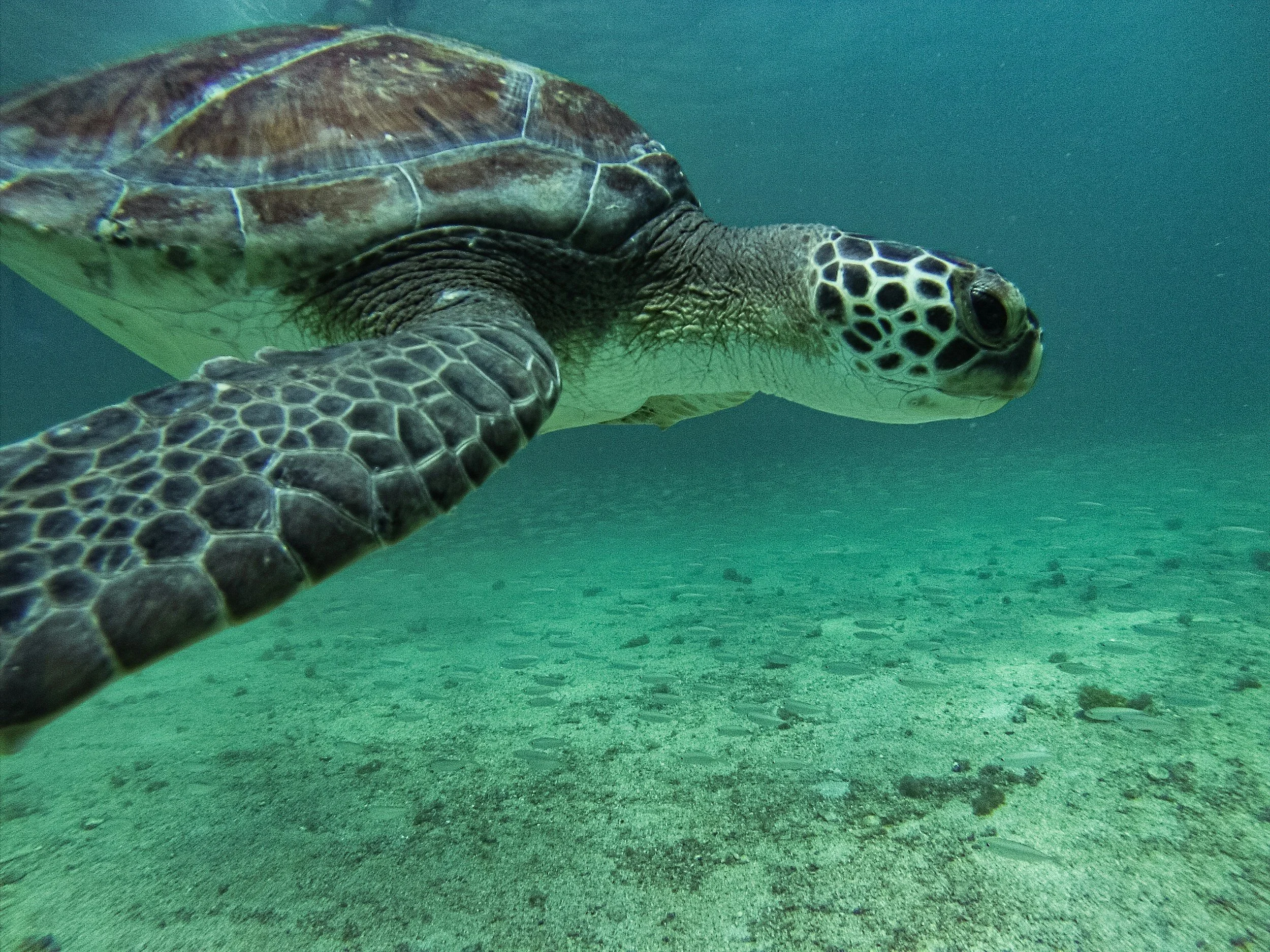
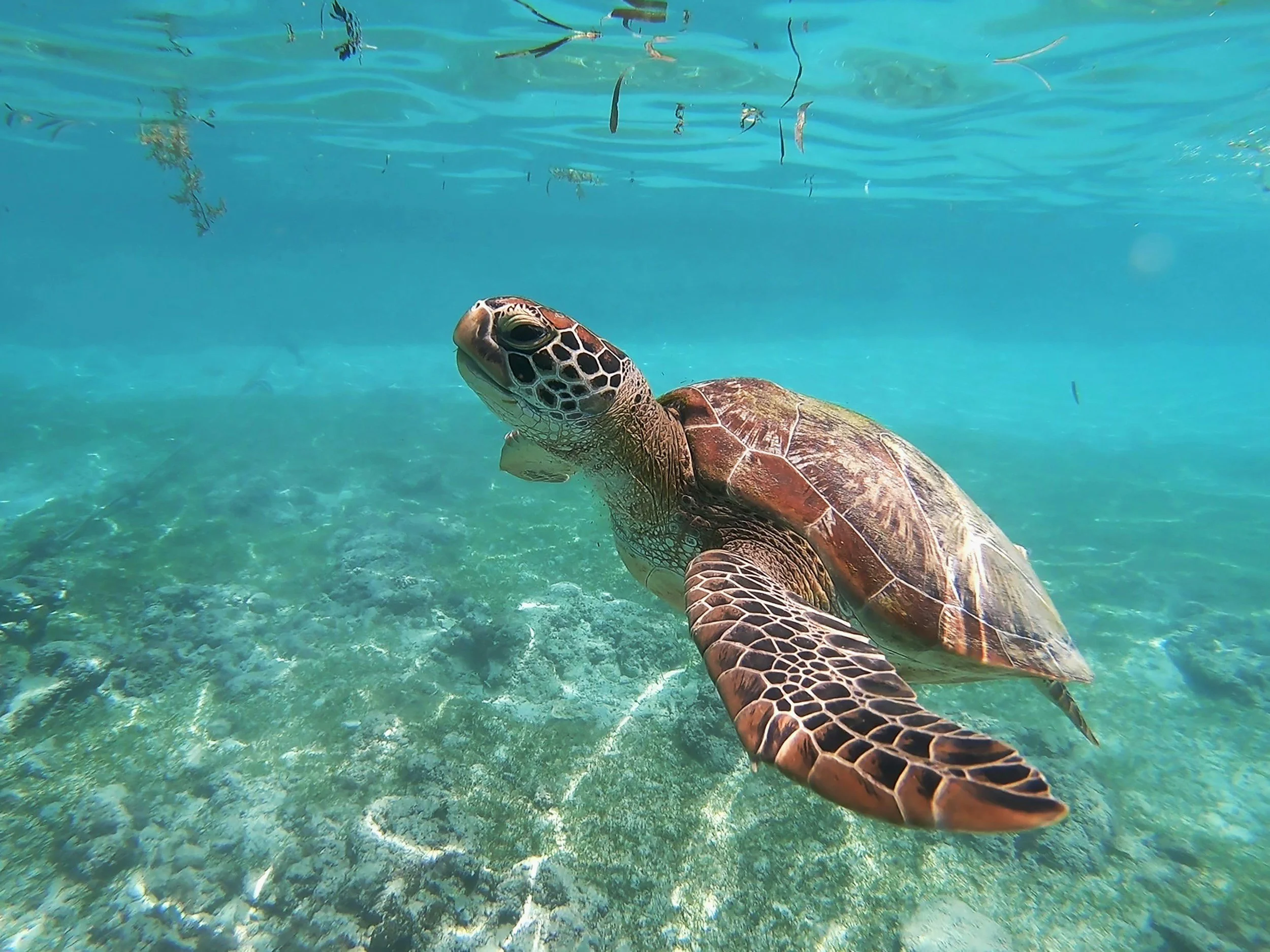
Green Turtle
Status: Endangered
Facts:
Named for the green fat under their shell, not their shells!
Herbivores — they feed mostly on seagrass and algae
Can migrate thousands of miles between feeding and nesting grounds
-
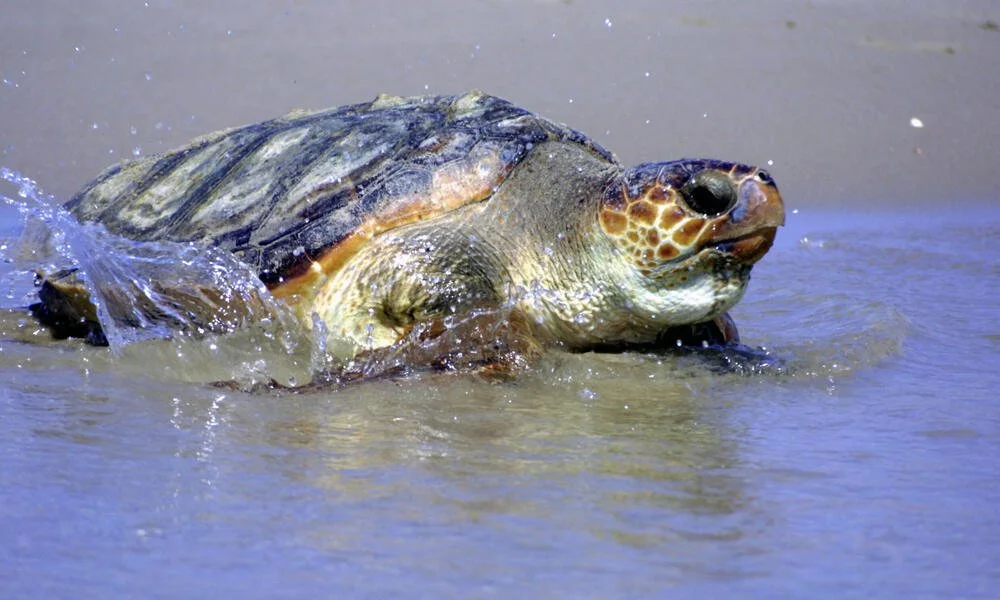
Loggerhead Turtle
Status: Vulnerable
Facts:
Named for their large, powerful heads which support their strong jaws
Primarily eat hard-shelled prey like crabs and clams
Often nest along subtropical and temperate coasts
Image: WWF
-
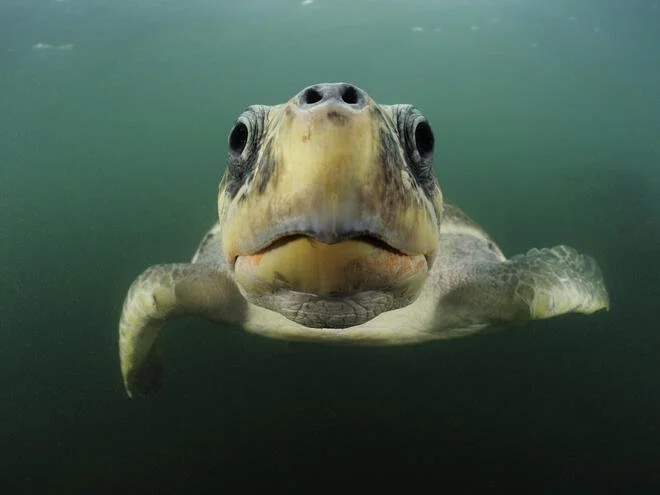
Olive Ridley Turtle
Status: Vulnerable
Facts:
Known for mass nesting events called arribadas (arrivals in Spanish)
One of the smallest sea turtles
Can be found in warm waters worldwide, they prefer tropical and subtropical waters
Image: WWF
-
Kemp’s Ridley Turtle
Status: Critically Endangered
Facts:
Smallest and rarest sea turtle in the world
Nest almost exclusively in the Gulf of Mexico, 95 % of worldwide Kemp’s Ridley nesting occurs in the state of Tamaulipas, Mexico
Often seen nesting during the day — rare for turtles
Image: NOAA Fisheries
-
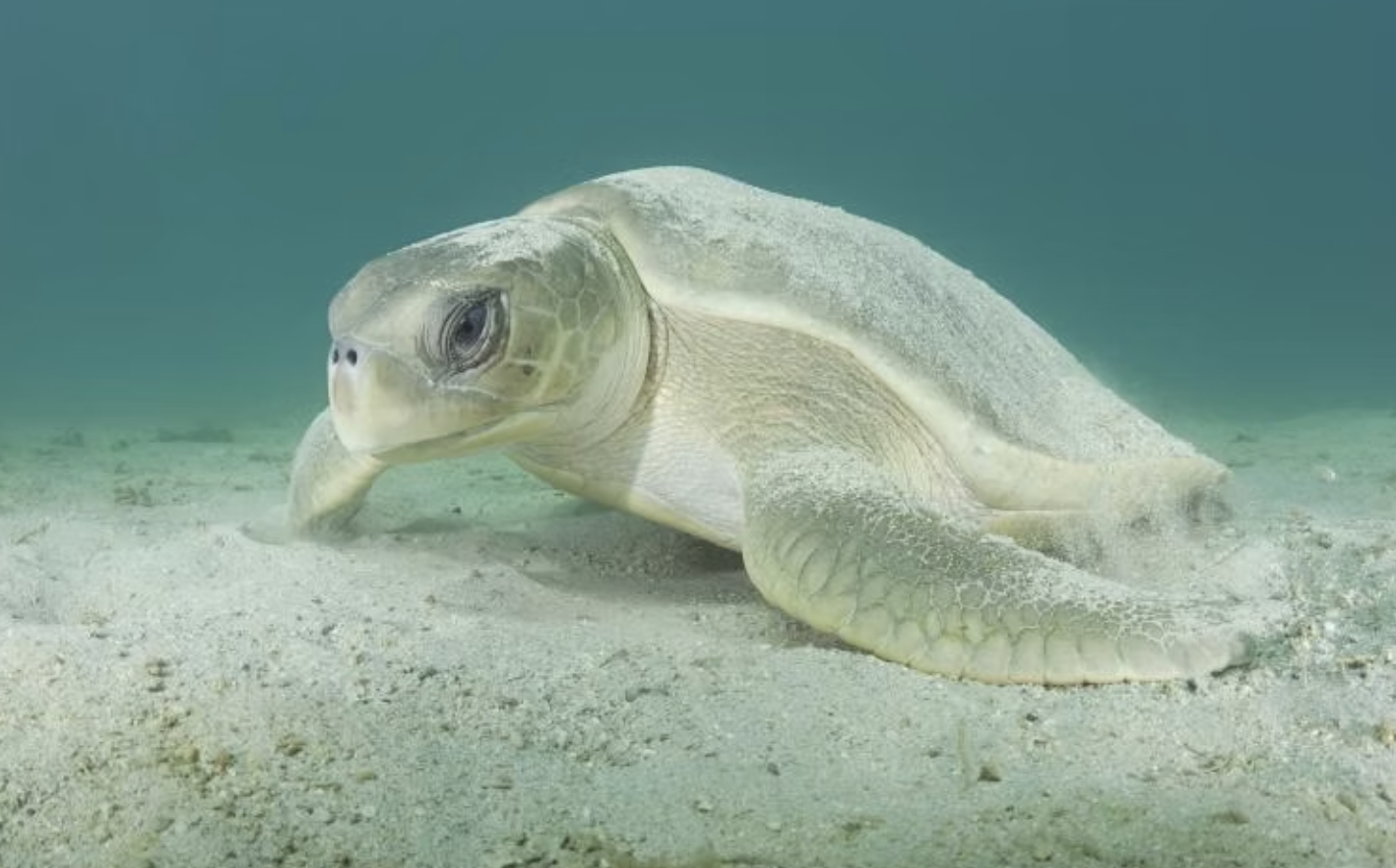
Flatback Turtle
Status: Data Deficient
Facts:
Flatback turtles live in the coastal waters of Australia and Papua New Guinea
Has a flat, soft-edged shell, hence their name
Flatback Sea Turtles can typically be found in waters of 60m or less in depth
Image: One Planet Conservation Awareness